


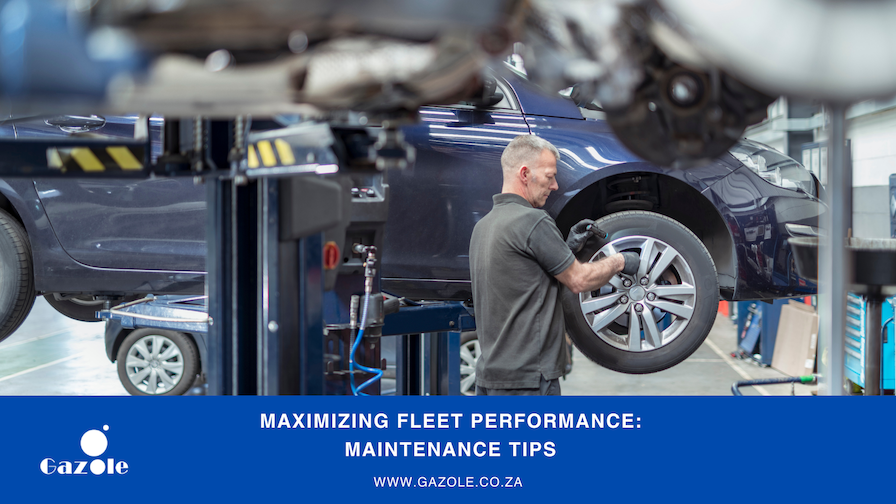
Maximizing Fleet Performance: Maintenance Tips
In the ever-evolving world of fleet management, ensuring optimal performance is paramount. A well-maintained fleet not only saves costs but also enhances productivity, efficiency, and overall fleet performance. Regular vehicle maintenance is the key to achieving these goals. By adhering to a comprehensive maintenance schedule, fleet managers can proactively address potential issues, minimize downtime, and extend the lifespan of their vehicles. In this article, we will dive into some essential tips for maximizing fleet performance through effective maintenance strategies.
1. Develop a Structured Maintenance Plan:
The foundation of successful fleet management lies in a well-designed maintenance plan. Start by creating a comprehensive list of all the vehicles in your fleet, including pertinent details such as make, model, age, and mileage. Analyze historical data to identify the specific maintenance requirements of each vehicle type. This will allow you to create a tailored maintenance schedule, including routine check-ups, oil changes, tire rotations, and periodic inspections. Having a structured plan in place ensures that all necessary maintenance tasks are carried out promptly and efficiently.
2. Regularly Inspect Vehicles:
Fleet managers should conduct regular inspections to identify any potential issues before they escalate. Inspections should cover critical components such as brakes, tires, fluid levels, filters, and lights. Ongoing monitoring enables fleet managers to identify wear and tear, leaks, or any other signs of impending failures. By catching these issues early on, they can be dealt with promptly, preventing more substantial damage.
3. Make Preventive Maintenance a Priority:
Preventive maintenance is a proactive approach that can significantly minimize unexpected breakdowns and costly repairs. Implementing preventive maintenance measures, such as regular vehicle servicing and engine tune-ups, ensures that vehicles remain in top condition. By addressing minor problems before they turn into major ones, fleet managers are able to save valuable time and resources.
In conclusion, maximizing fleet performance through effective maintenance practices is a vital component of successful fleet management. By implementing a structured maintenance plan, regularly inspecting vehicles, prioritizing preventive maintenance, training drivers, leveraging technology, collaborating with reliable partners, and embracing data-driven decision-making, fleet managers can unlock significant cost savings, improve productivity, and extend the lifespan of their fleet. Ultimately, a well-maintained fleet translates into optimal performance and a competitive edge in the ever-growing fleet management landscape. #FleetManagement #MaintenanceTips